OAPCE-Ontario Association of Parents in Catholic Education

News & Events

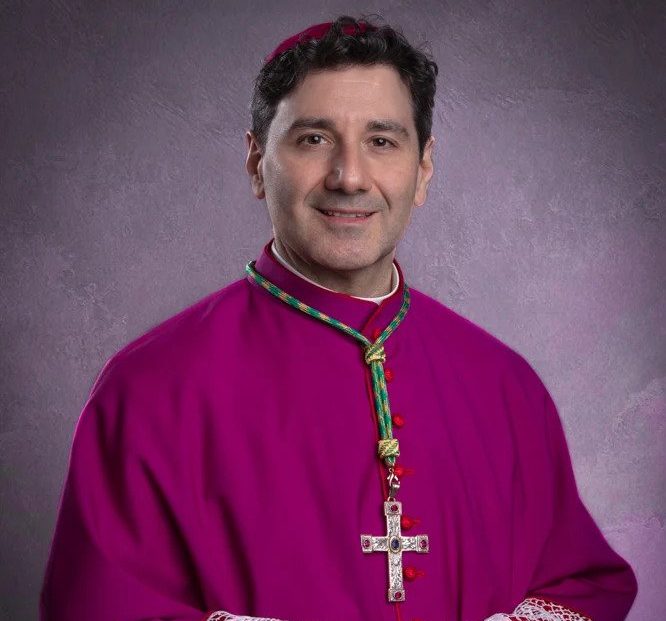
Welcoming the new Minister of Education, Honorable Paul Calandra!

The Ontario Association of Parents in Catholic Education (OAPCE) are pleased to extend best wishes and congratulations to the new Minister of Education, Honorable Paul Calandra.  OAPCE  is excited about the opportunity to work alongside the new Minister’s office  in advancing educational policies that will have a lasting positive impact on students, families, and educators across the country. As advocates for children and families, OAPCE has always been committed to promoting an educational environment that is inclusive, equitable, and supportive. Our organization represents a diverse community of parents who are dedicated to fostering improvements within the Catholic education system. OAPCE believes that collaborating with not only the Ministry of Education’s office, but all partners is  crucial in creating a better, more effective education system for all. OAPCE stands ready to contribute its insights and support as we work together toward solutions that will benefit our children and future generations and are excited to partner with you to advance the goals of a stronger and more vibrant Catholic education system in Ontario.

Welcoming the new Minister of Education, Honorable Paul Calandra! Read More »

Pilgrims of Hope

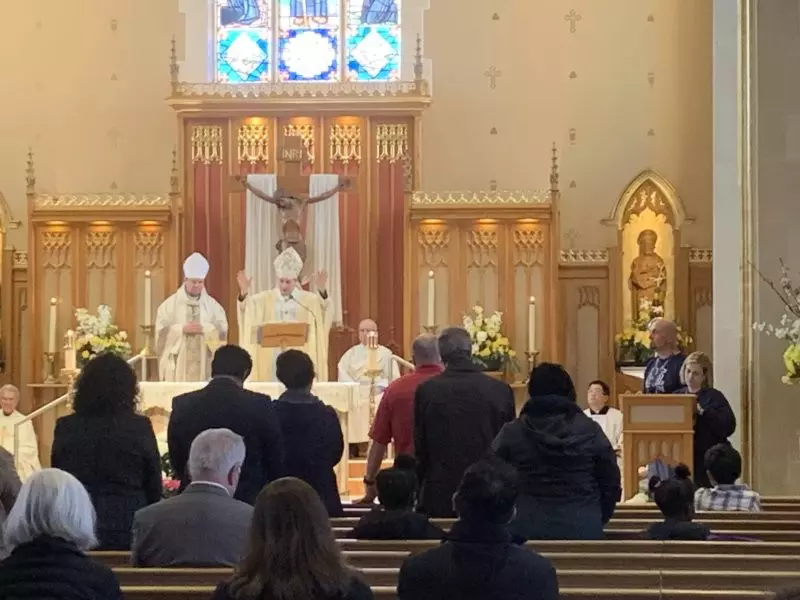
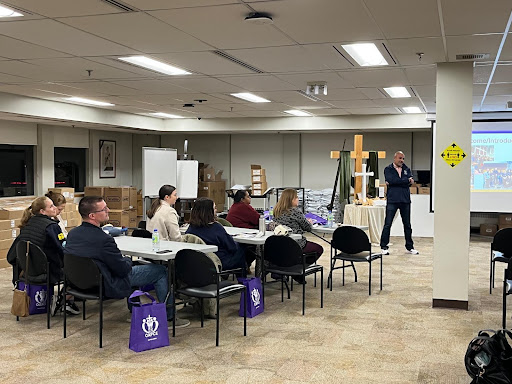
Pilgrims of Hope A Walk Through of the Making of a Jubilee Year” A recap of Guest Speaker: Dr. Josephine Lombardi. On Thursday, February 13th 2025, Dr. Lombardi presented to OAPCE Representatives from across the province in Ontario: “Pilgrims of Hope: A Walk Through of the Making of a Jubilee Year and all the graces associated with participating in this special Jubilee Year of Hope.” Dr. Josephine Lombardi led an insightful session on the Jubilee Year of Hope and its significance in the Catholic faith, covering its origins, meaning, and how to participate in its graces. She began by discussing the Virtue of Hope, referencing St. Paul’s teachings on the three virtues of Faith, Hope, and Charity (the habit of loving). Hope, as emphasized by St. Paul in Romans 12:12, involves “rejoicing in hope” and cultivating joy to endure life’s inevitable waiting periods. Dr. Lombardi explained that joy helps us persevere in difficult times, while hope allows us to overcome discouragement. She quoted Pope Francis, who said, “Hope does not disappoint,” and reminded the audience that the Holy Spirit empowers us to become renewed in God’s love. In the Catholic tradition, the celebration of the Jubilee Year originated in 1300 with Pope Boniface VIII, marking a time for the faithful to seek unity with God and renew their relationship with Him. The most recent Extraordinary Jubilee Year of Mercy occurred in 2015. During a Jubilee Year, the faithful are called to reflect on their journey of faith as part of a community, striving for deeper union with God. Dr. Lombardi explained the symbolism of the Holy Door, which represents Jesus as the door to salvation: “I am the door.” Passing through the Holy Door symbolizes seeking Christ and is an important pilgrimage act. Originally, only one Holy Door existed at the Basilica, but today there are multiple doors for people to pass through as a sign of their spiritual journey. The presentation also highlighted the importance of confession and indulgences. Dr. Lombardi explained that sorrow for sin brings grace, and through confession, we enter a state of grace. Indulgences, granted by the church, remove the temporal punishment due to sins already forgiven. She shared that in Aramaic, sin is referred to as “debt,” which is reflected in the language of the Lord’s Prayer, where the word “trespasses” is used. Dr. Lombardi emphasized that experiencing God’s mercy and forgiveness calls us to extend that same forgiveness to others. To participate fully in the Jubilee Year, Dr. Lombardi outlined several spiritual actions. These include making a pilgrimage to Rome to walk through the Holy Door, visiting one of the four major Basilicas, fasting, almsgiving, and visiting local cathedrals. She also encouraged learning more about Vatican II teachings and exploring local shrines and sacred sites in Ontario ( a list of these locations will be shared on our website). Dr. Lombardi concluded by emphasizing that the Year of Hope is an invitation to deepen our faith, receive God’s mercy, and extend forgiveness to others. By participating in acts of grace, we prepare ourselves for the return of Jesus. Her presentation offered meaningful insights into how Catholics can live with hope and joy during this sacred season of waiting.

Pilgrims of Hope Read More »

Beyond Giving Up Chocolate

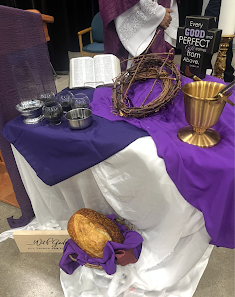
Beyond Giving Up Chocolate: A Parent’s Journey Through LentBy Dianne Pawlowski, OAPCE Nipissing/Parry Sound Director As Ash Wednesday approaches each year, my children and I inevitably begin our usual Lenten conversation: What are we going to give up this year? I can almost hear the familiar answers echoing through my mind—“I’ll give up chocolate,” or “I’ll stop fighting with my brother.” As a mom, I’ve come to expect these answers, and I remember having similar thoughts when I was their age—things that seemed significant at the time, but were more about sacrifice than true growth. With each passing year, as my children grow, so does my desire to help them embrace Lent on a deeper level. It’s not just about giving something up—it’s about transformation. The three pillars of Lent—prayer, fasting, and almsgiving—are opportunities for spiritual growth.  I’m reminded of one particular Lent when my middle son, about 10 at the time, decided to give up pop. He was determined, proud of his commitment, and the first few weeks were easy enough—after all, we weren’t buying it at home. But one Sunday, we went to church, and there it was—a cold can of pop offered during fellowship. The temptation was overwhelming. As the can was placed in his hand, he froze. I could see the internal struggle on his face—he wanted to keep his promise to God. Then, tears. He wanted a sip, but he had promised not to drink pop. Just then, another parishioner approached and gently said, “Remember, fasting doesn’t always mean giving something up completely. You could have it on Sundays, you know!” I chuckled under my breath—the Sunday loophole, Sundays are not counted in the 40 days of Lent! But my son wasn’t swayed. After a deep breath, he smiled and said, “I think I’m okay. I’ll stick with it.” By the end of Lent, my son had completely lost interest in pop. He didn’t crave it anymore and turned it down on his own. That break from his habit helped him make better, healthier choices without even realizing it. Fasting isn’t just about denying ourselves. It’s about creating space for something else—whether that’s prayer, reflection, or growth. By consuming less—whether it’s food, entertainment, or distractions—we make room for what’s important. In those moments, we invite God to transform us, preparing us to embrace the joy of Easter. The song Sign Us with Ashes by Mark Friedman beautifully guides us through the three pillars of Lent—prayer, fasting, and almsgiving—reminding us how each one brings us closer to God. The chorus reminds us: “Sign us with ashes, the sign of your cross, Give us the grace to know your mercy, Lord. Renew our spirits and open our hearts. Help us remember the love you gave us.” Prayer: Connecting with GodThe song begins with the verse, “Help us pray so we might be, closer to you and to God’s family.” Prayer is the first pillar, and it’s worth considering how we can deepen our prayer life during Lent—both individually and as a family. Instead of focusing solely on what we’re giving up, we can also focus on adding more prayer to our lives. One simple way to deepen your family’s prayer life is by attending an extra Mass each week during Lent. Whether it’s a weekday Mass or a special Lenten service, it’s a practice that extends beyond Lent. Another meaningful way is to set aside a few minutes each evening for family prayers before bedtime. Reflect on the day, offer gratitude, and pray for one another. You could even incorporate the Bible into your bedtime stories, reflecting on how the readings apply to your lives. A priest once told my children, “Prayer is how we speak to God, but reading the Bible is how God speaks to us.” By reading the Bible together, we invite God’s guidance, letting His words shape our hearts and minds. Fasting: A Journey of TransformationThe lyrics in the next verse remind us of the pillar of fasting: “Help us fast so we might know the wants of those within God’s family.” Fasting isn’t just about giving something up for the sake of it. It’s about reducing something in our lives to create space for what’s more important—prayer, reflection, or empathy for others. Fasting could mean reducing screen time, eating more mindfully, or letting go of unnecessary distractions. It helps us grow in empathy and compassion as we open our hearts to the needs of others. Almsgiving: Living GenerosityThe song’s verse on almsgiving says, “Help us give, so we might share, of what we have to serve God’s family.” Almsgiving is about more than just donations—it’s about sharing what we have, whether that’s time, talents, or resources. As a family, we can make regular donations, volunteer together, or commit to serving those in need each week. Volunteering together teaches children that generosity is about showing up for others, not just giving things away. It’s a beautiful way to model Christ’s love and to remind us that our blessings are not just for us but for others.  The Growing Journey of Parenthood and FaithAs parents, we have the privilege and responsibility to guide our children through this season of reflection and growth. But just as we guide our children in their faith, we too are growing in our understanding of Lent. It’s a reminder that, like when my youngest son recently suggested, “Oh, I’ll give up bacon… on Fridays?”—we all have room to grow. This journey of parenthood and faith is full of moments of humor, struggle, and transformation. Through the song Sign Us with Ashes, we see that each act of praying, fasting, and giving isn’t just about sacrifice—it’s about opening ourselves to God’s love, grace, and mercy. Through these pillars, we—and our children—become the people God wants us to be. SONG: Sign us with ashes – Mark Friedman
Beyond Giving Up Chocolate Read More »

The Future is Bright in Skilled Trades

The Future is Bright in Skilled Trades – A Blog written by Elizabeth Wylie, OAPCE Hamilton Director. Attention Secondary School Parents: Encouraging Your Child to Explore Careers in the Skilled Trades As parents in Catholic Education, we want our children to find fulfilling and stable careers. While many families focus on university pathways, it’s important to recognize the opportunities available in the skilled trades in this economy.  Here are just a few of the advantages of considering a career in the skilled trades: high demand jobs & excellent salaries (Check out this provincial resource: Explore in-demand careers | ontario.ca) the ability to build strong personal relationships with crewmates and customers as an Ontario Catholic School Graduate, creating a sense of camaraderie and connection in their daily work.  training typically takes less time and costs significantly less than a traditional 3 or 4-year university program, allowing students to enter the workforce sooner with no or minimal debt.  The good news is there are programs available in Ontario designed to introduce high school students and new graduates to these rewarding careers. By learning more about these programs, you can encourage your child to explore their options and gain valuable experience that can be transferred to any career they ultimately choose. It is worth exploring what’s available at your own school board to see what programs your student can be taking advantage of in high school and after graduation.   Here are four excellent options for students and new grads to consider: 1. Cooperative Education (Co-op) Courses Cooperative education (co-op) courses allow high school students to gain real-world experience while earning credits toward their Ontario Secondary School Diploma (OSSD). These placements take students out of the classroom and place them in workplaces where they can develop valuable skills and gain insights into different careers. Co-op courses provide many benefits, including: Hands-on learning experiences The chance to test-drive potential career paths Opportunities to apply classroom knowledge in real-world settings Development of essential workplace skills and habits The ability to build a strong resumé for future employment Each co-op credit requires a minimum of 110 hours of workplace experience, and students can take as many co-op courses as they like. If your child is curious about a career in the skilled trades, co-op courses are a great way for them to explore their interests before making a long-term commitment. Learn more here: Cooperative education (co-op) courses | ontario.ca 2. Ontario Youth Apprenticeship Program (OYAP) The Ontario Youth Apprenticeship Program (OYAP) takes co-op learning a step further by offering students the opportunity to begin an apprenticeship while still in high school. Through OYAP, students can start earning hours toward becoming a certified journeyperson in a skilled trade while simultaneously completing their high school diploma. OYAP is an excellent choice for students who already know they are interested in a trade and want to jumpstart their careers. By participating in this program, they can: Begin an apprenticeship in a skilled trade Gain hands-on experience with industry professionals Reduce the time needed to become a certified tradesperson Earn money while learning valuable skills Encouraging your child to explore OYAP can set them on a path to a well-paying, stable career in an in-demand field. Find out more here: Prepare for apprenticeship | ontario.ca 3. Specialist High Skills Major (SHSM) The Specialist High Skills Major (SHSM) is a specialized high school program that allows students to focus their learning on a specific economic sector while earning their Ontario Secondary School Diploma (OSSD). Students in SHSM develop valuable career skills, gain industry certifications, and graduate with an SHSM seal on their diploma. To complete an SHSM, students must: Complete a specific bundle of 8-10 courses in their chosen sector Earn industry certifications such as first aid and CPR Gain hands-on experience through cooperative education placements SHSM programs are available in 19 different sectors, many of which align with skilled trades careers, including construction, manufacturing, transportation, and more. The benefits of completing an SHSM include: Tailoring high school education to individual interests and talents Developing specialized knowledge and skills Gaining career-relevant training and certifications Engaging in STEM-related activities that foster innovation and creativity Exploring and refining career goals to make informed future decisions Click here to learn more about SHSM: Specialist High Skills Major (SHSM) | ontario.ca 4. Support Ontario Youth  Support Ontario Youth is a registered charity that helps students transition into skilled trades careers by addressing gaps in training and education. This program for youth 18+ provides mentorship, safety training, and hands-on tool experiences across multiple trades. They offer: Safety training to ensure students are prepared for the workplace Engaging one-day bootcamps in a variety of industries Mentorship opportunities with industry professionals Guidance on apprenticeship pathways Development of employability skills to support long-term career success By participating in Support Ontario Youth, students receive the support they need to navigate their career journey and find the right trade for them. Check out their webpage to find out more: Home | Support Ontario Youth The Future is Bright in Skilled Trades Encouraging your child to explore careers in the skilled trades can help students gain hands-on experience, develop essential skills, and start building a fulfilling career while still in high school or right after graduation. Talk to your child about their interests and suggest they discuss these programs with their school guidance counselor. The skilled trades offer rewarding, well-paying careers with plenty of room for growth.  

The Future is Bright in Skilled Trades Read More »

The Power of Choice

An Ontario Parent’s Response to the Opinion Editorial entitled “It’s time to end public funding for Catholic schools in Ontario” by Jennifer Pilzecker, OAPCE Niagara Director Over a month ago I took notice of an opinion editorial published in the Globe and Mail entitled “It’s time to end public funding for Catholic schools in Ontario”.  After reading it, I remained bothered but was unable to fully articulate why. Upon further thought, I now have a better understanding of why it bothered me. I am grateful to have a choice regarding education and to have another person suggest this choice should be stripped away seemed petty. I am a product of the public school system in Ontario but upon becoming a proud parent, I chose to enrol my daughter in a Catholic school. I have never regretted this decision. When it became time for my daughter to attend high school, I allowed her to choose if she would walk 5 blocks to the public high school or take a 20 minute bus ride to the Catholic high school. She chose the latter and has also never regretted her decision. What some members of the public may not know is that Catholic schools are not just for Catholic families. Whether a student is Catholic or not, if they agree to uphold the principles of Catholic education, they are welcome.  To understand why we fund Catholic education in the province of Ontario, we must first understand that it was a decision not made lightly. It was made after consultation with constitutional scholars, after large-scale province-wide polling and after a political mandate to expand education in the province received broad support. When Ontario funded Catholic schools, public schools also expanded and projects like establishing university satellite campuses also took place. The point is, the decision was made after due diligence and the result was a win for parents and children.  Some members of the community, like the author of the opinion editorial, may take offence when a Catholic school board doesn’t bend to political whims of the moment or when they democratically debate and decide not to fly certain flags. This does not mean a Catholic school board is against a particular group but means they would rather remain visibly neutral and true to their values. I don’t believe it is responsible for the author to suggest half of the publicly funded education system in the province be dismantled because they disagree with a decision. If the author is a parent, they have a choice to send their child to a public school and they should not let personal discontentment over a symbolic decision derail choice for all families. To my fellow parents of children in the Catholic education system in Ontario, it is important we don’t grow apathetic and lose our ability to choose. Going forward, I invite you to join me in speaking up in support of Catholic education. I am grateful for the choice provided to me by the province of Ontario and my daughter is grateful for this choice too. I believe our education system is stronger and our province is better off for providing families choice in education.

The Power of Choice Read More »

Save The Date

Join us for an inspiring day of learning, connection, and faith at the OAPCE Conference 2025! 📅 Date: May 24, 2025📍 Location: St. Michael’s Catholic High School, Niagara Falls, ON🤝 In Partnership With: NCDSB This is an incredible opportunity for parents, educators, and community members to come together, gain insights, and strengthen our Catholic education system. 🌟 Stay tuned for more details – exciting speakers, workshops, and networking opportunities await! 📌 Mark your calendars and share with your community!

Save The Date Read More »

OCSGE’s: Ontario Catholic School Graduate Expectations

written by Elizabeth Wylie, Hamilton, Communications Director OCSGE’s: What do parents need to know about the Ontario Catholic School Graduate Expectations? It is important for us as parents to be aware of the aspects of the Ontario Catholic Education system that make it unique. Catholic schools in Ontario have a dual mandate: First, to fulfil the educational needs of students in abidance with the Ministry of Education curriculum standards Secondly, to fulfil the mission of the Roman Catholic church and nurture the spiritual development of the children and youth within its care. In 1995, the Ontario Royal Commission on Education recommended a set of “graduate outcomes” be outlined that were to be “subject and skill-oriented”.   At the time, the Institute of Catholic Education (ICE), an organization initially established in 1986 by the Bishops of Ontario, worked with the Ontario Catholic education community to establish these graduate guidelines through a uniquely Catholic Lens. The resulting Ontario Catholic School Graduate Expectations were released initially for the 1998-1999 school year with subsequent re-releases containing new resources in 2011 and 2019. Today these expectations are classified as follows by the Institute of Catholic Education (ICE): A Discerning Believer formed in the Catholic Faith community who celebrates the signs and sacred mystery of God’s presence through work, sacrement, prayer, forgiveness, reflection and moral living. An Effective Communicator who speaks, writes and listens honestly and sensitively responding critically in light of gospel values. A Reflective, Creative and Holistic Thinker who solves problems and makes responsible decisions with an informed moral conscience for the common good. A Self-Directed, Responsible, Lifelong Learner who develops and demonstrates their God-given potential. A Collaborative Contributor who finds meaning, dignity and vocation in the rights of all and contributes to the common good. A Caring Family Member who attends to family, school, parish and wider community. A Responsible Citizen who gives witness to Catholic social teaching by promoting peace, justice and the sacredness of human life. These expectations form “a critical navigational instrument” for Catholic Education for what our graduates should be aspiring to in their adult lives.  They are the cornerstone for interpretation and discernment of policies and curriculum by trustees, educators and administrators.  How can we, as parents, support our students to meet these expectations? Read and become familiar with each of the expectations and how they help foster strong family, work and community relationships. Model these expectations for our children in our daily lives. These are expectations we adults can all aspire to as good citizens and members of the Catholic community.  Recognize when your students are exhibiting behaviours in accordance with the expectations. They need to know when they are on the right track! Talk about how the expectations fit into modern society.  These expectations prepare our students to fulfil their fullest potential.  Everyone’s contribution to the common good is valuable. Explain how their good choices will impact their life and the lives of their community members for their generation. Respecting others and their environment will allow them to build a compassionate, peaceful and harmonious future. For more information about the Ontario Catholic School Graduate Expectations, please visit this document prepared by the Institute of Catholic Education (ICE): ©ICE OCSGEs Flipbook 2019

OCSGE’s: Ontario Catholic School Graduate Expectations Read More »

Charisms – Our Talents and Gifts from God 

A  charism is defined as a gift from God for the church and the world, given as different ways of living out the Gospel.   Earlier this year, while reading the Parable of the Talents from Matthew 25:14-30 to my children, we reflected on how the master entrusted his servants with different amounts of money—talents—before going away. The servants used their talents in different ways—most invested wisely, returning with more, but one servant buried his talent, returning with nothing. We discussed how the servant’s fear of taking a risk led to his wasted opportunity. The master’s anger came not just from the servant’s inaction but from the waste of a valuable gift. This made us think about how precious resources—like money—need to be used wisely and invested thoughtfully. As we continued our discussion, it became clear that the parable is not only about money. God, like the master in the story, has entrusted each of us with unique gifts—our charisms. These aren’t just material resources, but spiritual gifts that make us who we are and help us fulfill God’s plan for our lives. They are not traits or abilities that are inherited, charisms are gifts that  depend upon God’s grace and are connected to our relationship with God and his plan for us. These gifts thrive and grow when we use them to serve others in the way God intended. I see this in my own life through my charisms of music and teaching. This year, I was blessed to have my son join the school choir I lead, where we sing songs of faith. As I taught these songs, I didn’t just want to pass on music, but messages of God’s love and presence. What a return on my ‘investment’ it has been to hear him and his classmates singing those songs—especially the ones about God—when they don’t even realize they’re doing it. I see how those songs not only help him (and the children that sing in our choir)  grow in musical ability but also strengthen their faith.  This experience has deepened my understanding of the Parable of the Talents. Just as the servants were entrusted with resources, we too are entrusted with gifts, not to keep for ourselves, but to share and invest in others. And as parents, we have a unique opportunity to model this for our children, showing them that the talents we have are meant to serve God and help those around us. So, how can we, as parents, use our talents and ‘charisms’  to serve our schools, parishes, and communities? The opportunities are endless, but here are some suggestions to consider:  Volunteer for Parent Council or School Committees – Many Catholic schools have parent councils that play a crucial role in organizing events, supporting teachers, and fostering a faith-filled environment for students. Getting involved in these groups allows you to contribute to the educational experience while also modeling the importance of serving others. Make suggestions for parent nights; volunteer if possible to be there for special events; suggest how funding might be used in ways that help support faith development.  Lead or Support Parish Ministries – Parishes offer many ways to serve, whether by leading children’s liturgy, reading at mass; assisting with youth groups, or organizing parish events. Your unique gifts—whether musical, organizational, or relational—can be put to use in helping others grow in faith. Offer Professional Skills – Many of us have professional skills—whether in finance, marketing, technology, or event planning—that can be of service to both the school and the parish. Consider offering your expertise to assist with budgeting, organizing fundraisers, or helping with technological needs. Anything from hair cutting to baking or youth group games to trivia nights! Ask if you can help support by donating your talent. Support Fundraising and Community Outreach – Schools and parishes often rely on volunteers to help organize and run fundraisers, charity events, and community outreach programs. Your participation in these efforts can directly impact the success of these initiatives and make a tangible difference in the community.   Become a volunteer or leader in  Youth Programs – As parents, we can actively mentor and lead by example. Whether through sports, extracurricular activities, or youth programs at church, your guidance can help shape the activities while instilling a love for God and a commitment to serving others. Support Family or Sacrament Programs – Catholic schools and parishes often offer programs to strengthen families and complete sacraments. Volunteering to lead or support these programs can bring you and the families of your parish closer together.  The key is to recognize that there are countless ways to use our gifts.  By getting involved, we’re not only investing in the lives of others but also setting an example for our children of how to live out the call to love God and love others. Remember, your greatest investment is in your child. Don’t bury your talents—step forward, get involved – invest your talents and watch how your actions enrich the lives of others bringing them closer to God – especially your own children so they too can share their talents in a way that God wants them too.  Want to discover your charisms, learn more about what they mean and how to use them? Take this quiz found at St.John The Evangelist Catholic Church and discover what your charisms are and how you can use them! Learn More

Charisms – Our Talents and Gifts from God  Read More »

As we begin a New Year together as ONE!

  As we begin this New Year, we want to take a moment to express our deepest gratitude for the trust and partnership you’ve shown in supporting your child’s education within our Catholic community. Together, we continue to nurture a spirit of faith, hope, and love that will guide our children not only in their studies but also in their personal and spiritual growth. As we move forward into a new year, let us remember the crucial role parents play in shaping the future of Catholic education. Together, parents, teachers, and school leaders can continue to foster an environment where students can thrive academically, spiritually, and socially—empowered to carry the light of Christ into the world. Parent engagement is often discussed in the context of volunteerism and participation in school activities. While these are important, true parent engagement in Catholic education is about building relationships—relationships with teachers, administrators, and fellow parents. It’s about working together to create a supportive, faith-centered environment that empowers students to grow in knowledge and virtue. In Catholic education, this engagement is not just about contributing time or resources but also about sharing a vision. Parents, teachers, and school leaders are united in the common goal of helping children develop into well-rounded, compassionate individuals who understand their place in God’s plan. Parents in Catholic education are more than just stakeholders—they are the foundation upon which a vibrant educational community is built. Through their advocacy, they ensure that Catholic schools remain places where faith and learning go hand-in-hand, where children not only grow in knowledge but also in virtue. Through advocacy, engagement, and a shared commitment to the mission of Catholic education, parents are not only helping their children succeed—they are helping to build a brighter, more compassionate world for all. We encourage and empower all parents to continue to carry the torch!  May this year be filled with abundant blessings for you and your family, with grace and peace in every step of your journey. We look forward to working alongside you in fostering an environment where your child can thrive academically, spiritually, and morally, growing ever closer to Christ. Let us keep each other in prayer as we continue to build a brighter future together, grounded in faith and love. Here’s to a bright and inspiring 2025!

As we begin a New Year together as ONE! Read More »

OAPCE Joins the Provincial Task Force

The Ontario Association of Parents in Catholic Education (OAPCE) is proud to announce our participation in the Ministry of Education’s Task Force to implement the revised Provincial Code of Conduct (PPM 128) for the 2024-25 school year. This initiative aims to refocus education on the basics, improve classroom environments, and enhance communication with parents, students, and educators. Recap of PPM 128  What Is the Task Force About? The Task Force brings together education partners, parents, students, and health experts to ensure the smooth implementation of policy changes that will positively impact Ontario’s schools. These updates focus on creating safer, distraction-free classrooms while supporting healthy behaviours among students. Key Highlights of the New Policies Starting in the 2024-25 school year, Ontario families can expect: Improved Communication and Clarity Annual parent notifications about cellphone use restrictions and consequences. Report cards including comments on students’ distraction levels. Provincially standardized signage for behavioural expectations. Enhanced Classroom Focus Uniform cellphone policies requiring devices to be silenced and out of sight during class unless explicitly allowed by the teacher. Social media site bans on school networks and devices. Mandatory training for educators on classroom management. Health and Safety Initiatives New bans on sharing videos/photos of individuals without explicit consent. Immediate surrender of vape, tobacco, and nicotine products by students, with parental notification. Increased education on vaping and substance use through the Health and Physical Education curriculum. Funding and Resources $17.5 million for programs to support healthy behaviours and reduce classroom distractions. Investments in digital literacy, safety infrastructure, and grassroots campaigns to deter vaping and cellphone distractions. OAPCE’s Role As the voice of Catholic parents across Ontario, OAPCE will play a vital role in shaping how these policies are implemented locally. Our participation ensures that parents’ perspectives and priorities are included in discussions, helping to create a positive impact for students and families. Why This Matters The updated Provincial Code of Conduct reflects the Ministry’s commitment to fostering safe, respectful, and effective learning environments. By reducing distractions and promoting healthy behaviours, these changes aim to support student achievement and well-being, empowering students to reach their full potential. OAPCE is honored to be part of this important initiative and looks forward to working with the Ministry and other stakeholders to ensure the successful implementation of these policies. Learn More

OAPCE Joins the Provincial Task Force Read More »

Scroll to Top